
Community gardens help cities adapt to climate change. They reduce the urban heat island effect, absorb rainfall, and provide pollinator habitat. This year, we’ve also unknowingly created an urban bunny playground and grazing buffet! The conundrum of gardening is how to attract the ‘good’ wildlife and keep the pests at bay. Nonetheless, at Crowley Station, our raised beds are part of a larger vision for a more climate-smart Madison. Want to be part of the solution? Grow a garden. It’s one small act with a big environmental impact. We have a few beds available for fall planting, and you can join our waitlist for next season any time.
The History Beneath Our Garden
Did you know Crowley Station Garden is built atop a functional water pump station? This urban marvel is a creative use of space that blends utility with beauty. Designed as a raised-bed garden, we’ve transformed a concrete rooftop into a thriving organic haven. It’s a reminder that gardening can happen anywhere—even over infrastructure. Our unique location reflects our mission to green the city in unexpected and sustainable ways. Learn more about how the garden came to be here.

Madison Water Utility Well #17.
Herby Butter
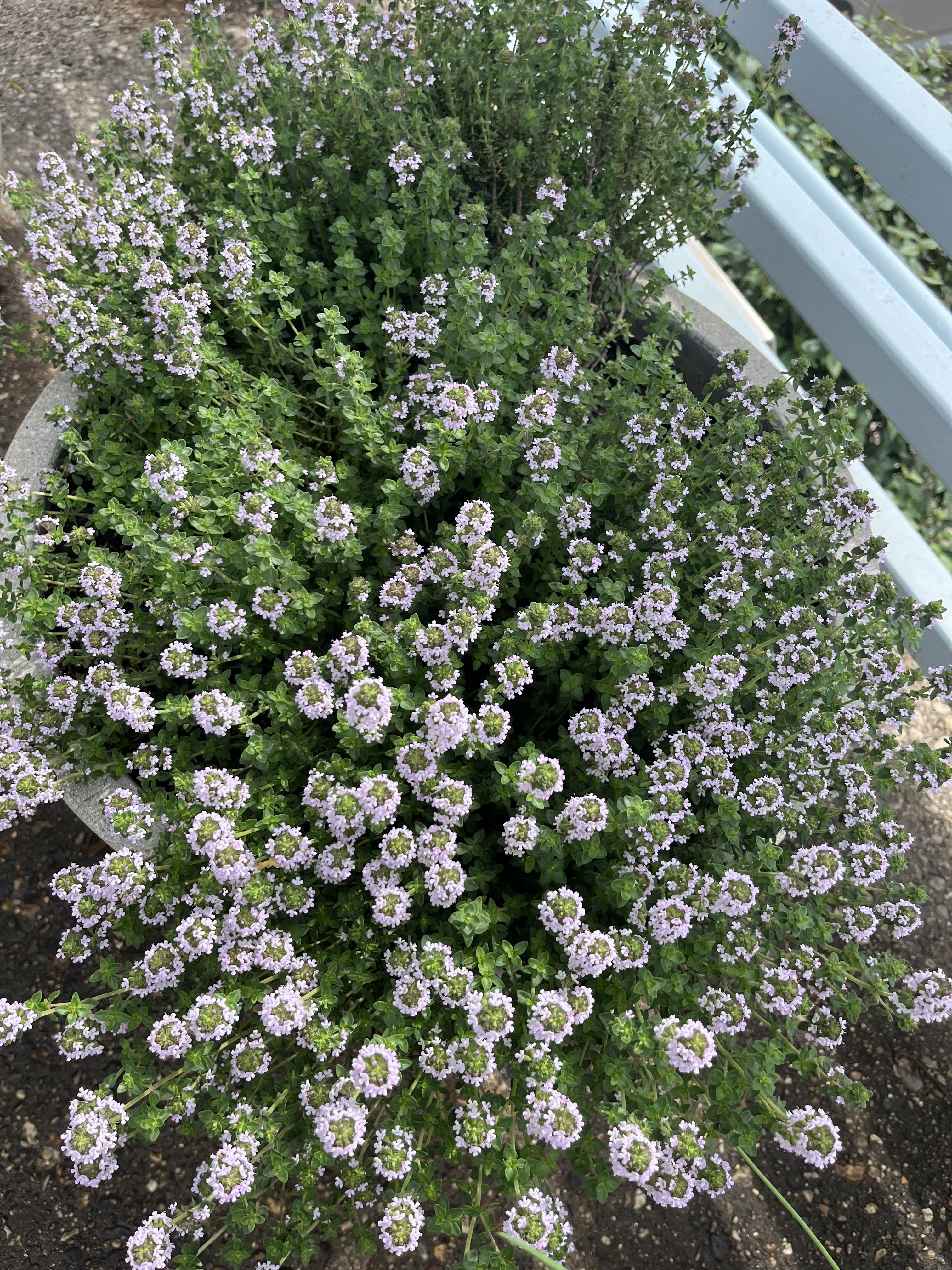
You’ve planted, weeded, mulched, and watered … and now we wait. This is a great time to warm up your culinary skills with a simple herbed butter. Make a batch and use some now — the rest will keep in the freezer.
Method:
1. Chop about 1T of fresh herbs in any of the combinations listed below.
2. Combine with softened butter using a fork to mash together.
3. Transfer the butter mixture to a square of plastic wrap. Gently roll and shape the butter mixture into a log and refrigerate (wrapped).
4. Once the herb butter is firm, use as needed or freeze for future use. TIP: cutting tablespoon-size slices before freezing makes future cooking a breeze
Combinations:
Garlic & Chive: This savory set adds bold flavor. Try it with steak, potatoes, or green beans.
Rosemary & Sea Salt: Add this sophisticated spread to your next baguette.
Basil & Mint: Dress early season peas with this herby bend.
Parsley & Scallion: Perfect for new potatoes, carrots, or pita bread.
Thyme & Lemon Zest: Top chicken or fish with a few dabs of this butter before baking for a rich and flavorful entree.
Tips for Gardening after a storm
- Survey any plant damage. Look for any leaf or stem damage that may have occurred. If there is minimal damage to leaves, you may be able to just remove them. Keep an eye on plants that have received moderate or heavy damage over the next couple of days; the plant might be able to recuperate. Try to stake up leaning plants. If the main stem of a plant has snapped it is more than likely a loss. You can try grafting the stem back together to salvage it, but there is no guarantee it will survive.
- Check for any exposed roots due to soil erosion. If you find exposed roots, cover them with soil or compost as soon as possible. Do not let the roots dry out–this could be catastrophic to the plant.
- After a very heavy rain, you may need to replenish nutrients. Having heavy water runoff can carry nutrients from the soil. Make sure to replenish these nutrients with fish emulsion or an organic all-purpose fertilizer.
- During the storm (or soon after) look for areas that may be draining poorly. You do not want areas of long-standing water in the vegetable garden. This can be bad for plants and can lead to root rot. If you find poorly draining areas, create ways to get the water to drain away from the vegetable garden. You could implement dry creek beds (rock beds) or use plastic water drains to redirect water from the vegetable garden.
- Eliminate possible slug or snail hiding places. Slugs and snails love damp places that have hiding areas. Remove any boards, stones, or other items lying in or near the garden.
- Keep an eye on emerging weeds. Weeds love to pop up soon after a storm. The sudden charge of moisture to the soil encourages weeds to spring up almost overnight. Add mulch to prevent weeds and to help ease soil erosion.
- Empty any containers that have collected water. Overturn any buckets, wheelbarrows, or pot saucers that contain rainwater. These are breeding grounds for mosquitoes. Add this water to your rain barrel.
- Keep an eye out for fungal or bacterial diseases. Damp, humid conditions are perfect for fungal and bacterial disease development. Diseases, such as powdery mildew, will spread very quickly in these conditions. Treat these diseases as soon as you notice them. Waiting too long to act can mean serious trouble for your vegetable plants.
- Content modified from: 9 Vegetable Gardening Tips Following a Heavy Rain | Gardening Forum
2024 Garden Season
In the last few years, the Lakefront Porch Committee and partners in the community and the City of Madison have been hard at work planning and then implementing the installation of the new Lakefront Porch pocket park on the Crowley Station platform.
Because the disruption of Covid-19 was followed by the uncertainties of planning such a large project, the last few garden seasons for the Crowley Station Community Garden have also experienced uncertainty. Now, with construction of the Lakefront Porch Park well underway and the generous gift of new garden beds, the beginning of the 2024 CSCG garden season seems to be in sight!
As usual, there are more households on the waitlist than there are garden beds at CSCG! We are delighted at the interest in CSCG, and we urge anyone with the desire to garden to sign up for the waitlist for the other (larger) community gardens in Madison. There are also opportunities for “dirt therapy” with the wonderful volunteers of Blair Street Gardens.
Within the next month or so, we plan to recruit a few more gardeners from the waitlist. We will post information on the website when all garden beds have been filled for the season.
Construction of the Lakefront Porch has begun!
Updated April 2024
Construction of the Lakefront Porch on the Crowley Station platform began in spring 2024! The plans include a raised deck with new tables, seating, and umbrellas for shade. The elevation of the deck allows visitors to see Lake Monona over the railings that edge the Crowley Station platform. Ramps provide access to both levels of the platform.
The surface of the Crowley Station will become the Lakefront Porch Park, a City of Madison Park. The Crowley Station Community Garden will then be located within the Lakefront Porch Park.
For more information or to donate to the Lakefront Porch, visit their website, Lakefrontporch.org.
Opportunities to Garden in Madison
The Crowley Station Community Garden (CSCG) is only one of dozens of community gardens in Dane County. Because CSCG has a small number of raised garden beds, the garden has a waitlist. We encourage residents of the First Settlement and other Capitol neighborhoods to join the waitlist at other gardens and to volunteer with the Blair Street Gardens.
The Gardens Network
The Gardens Network is a partnership of Rooted, UW-Madison Extension Dane County and the City of Madison. The website of The Gardens Network provides a map of local community gardens and a profile of each. (See the link below.) The gardens vary in size, requirements, and locations. Look for the garden that fits you best at danegardens.net.
Blair Street Gardens
If you are interested in growing more than vegetables, join a group of neighborhood gardeners at Blair Street Gardens. These volunteers have been beautifying the Isthmus since 1985, blairstreetgardens.org
Community Gardens Map
2021 Garden Season
Welcome to the new gardening season! Please follow CDC and city public health guidelines when you come to the garden. Wear a mask when others are around, and bring your own tools if you have concerns about sharing.
If you have received a garden assignment from us, you are welcome to begin as soon as you complete your registration form, and we receive your plot fee. All gardeners must complete the registration form each year.
The Welcome email includes:
- Important dates
- Registration form
- Link to membership guidelines
- Plot fee information
- Storage bench lock combinations
2021 Garden Changes:
- Use social distancing whenever at the garden.
- Bring your own tools if you are concerned about sharing
- Consider becoming a leader for the garden this fall. We need all the help possible to make sure the garden continues in 2022!
Sending health and ease your way,
Crowley Station Community Garden Leadership Team
Autumn Gardening: Planting Garlic!
If you’re planning to continue gardening with us at CSCG for the 2018 season, it’s time to get your garlic cloves in some soil! Garlic is typically planted in the Fall and harvested the following summer. Our raised garden beds are sunny, rich, and well-drained; which is perfect for garlic.
Garlic should be planted 6 weeks prior to freeze. Planting garlic can be purchased at many local locations. This year we tried Pehoski Purple and German Extra Hardy-Porcelain. Make sure to get a variety that will do well in this region.
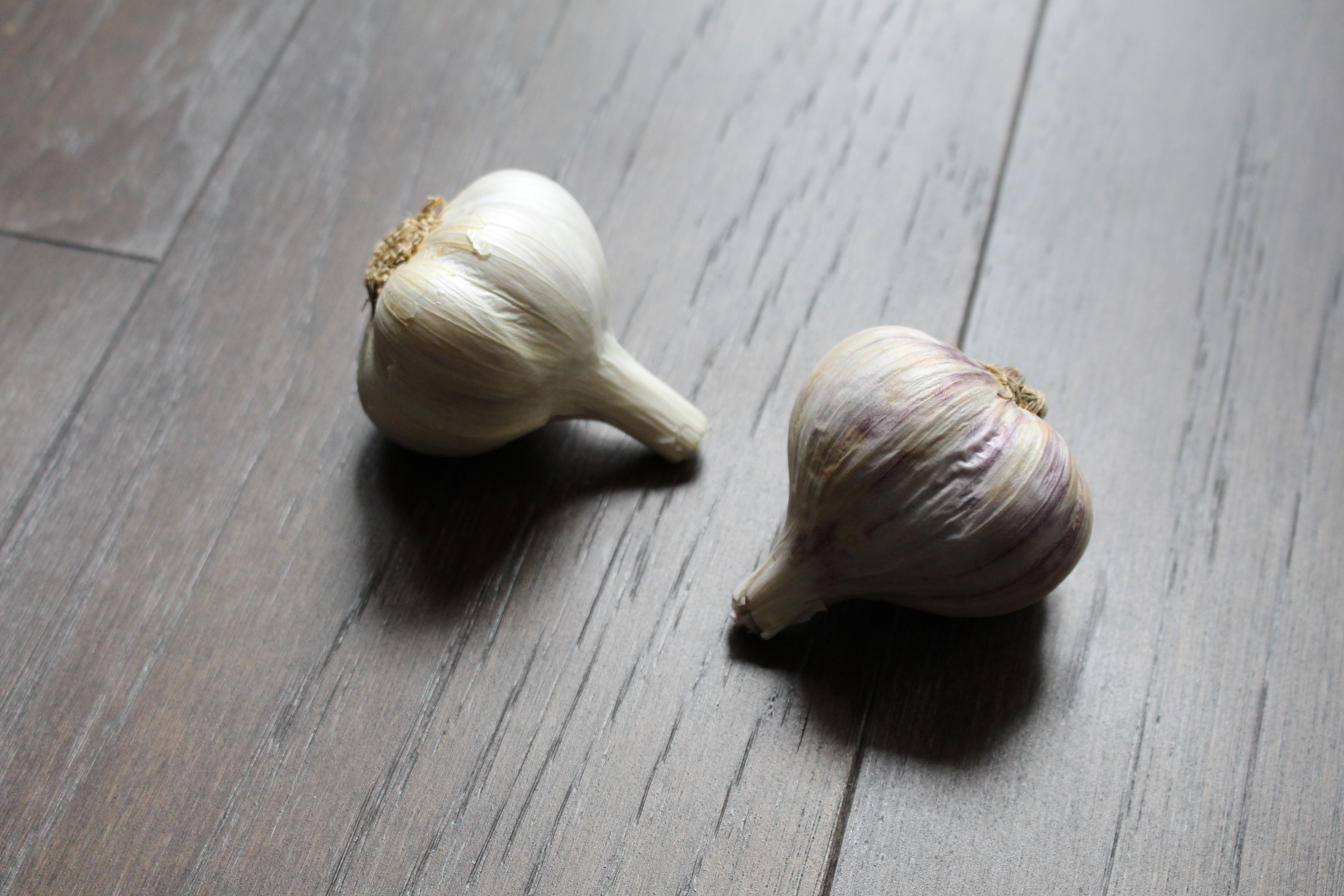
Step 1:
Separate the cloves from each bulb.
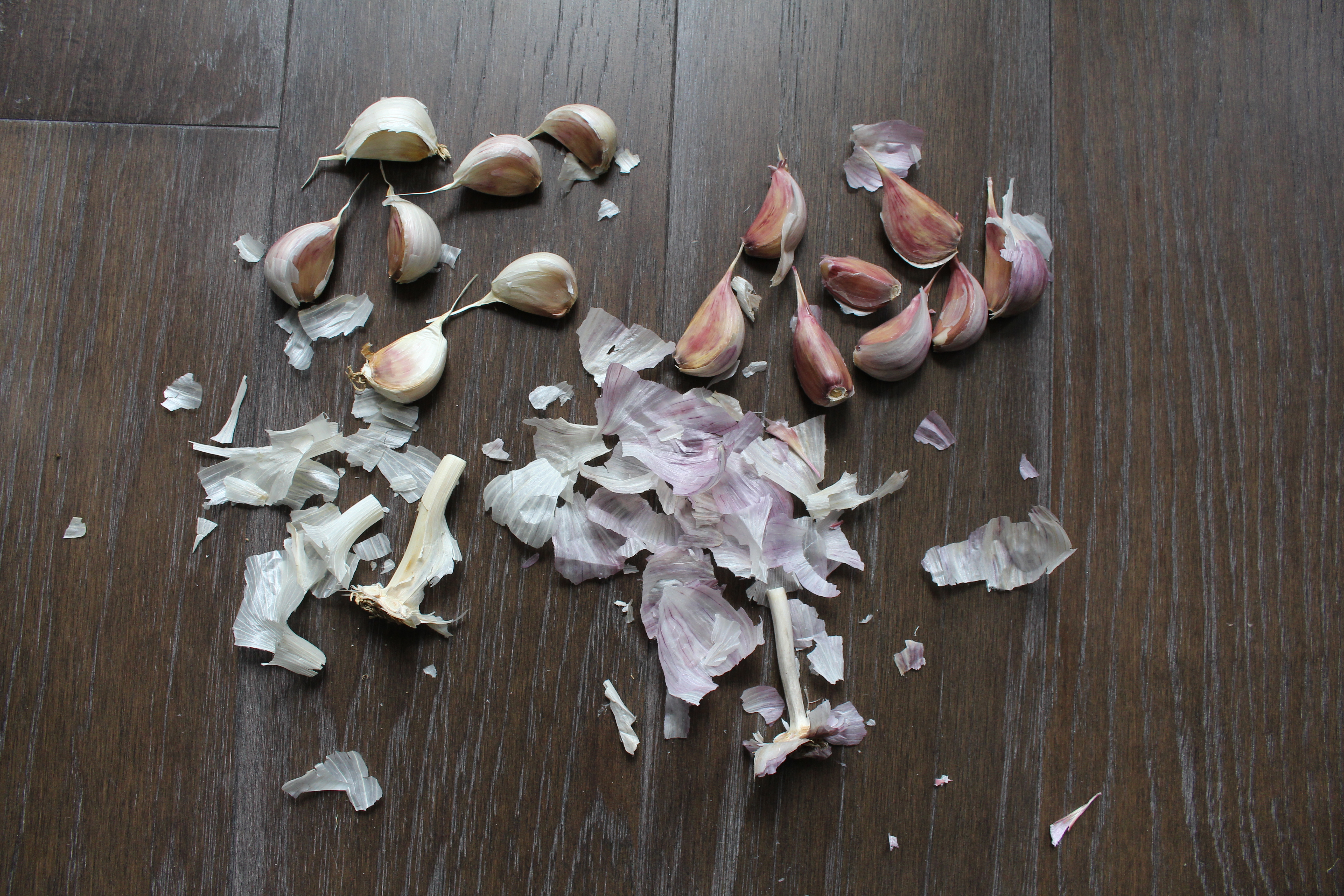
Step 2:
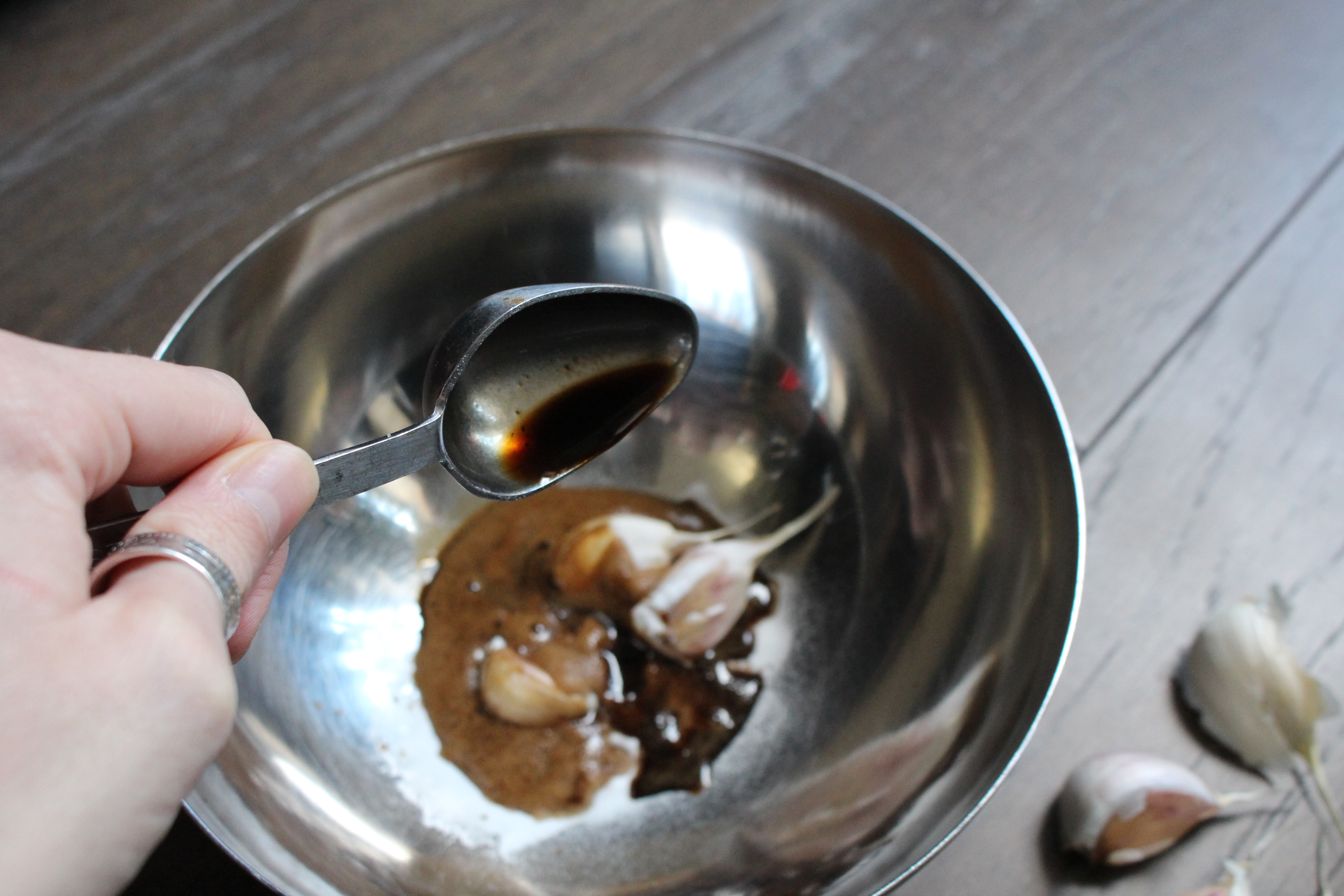
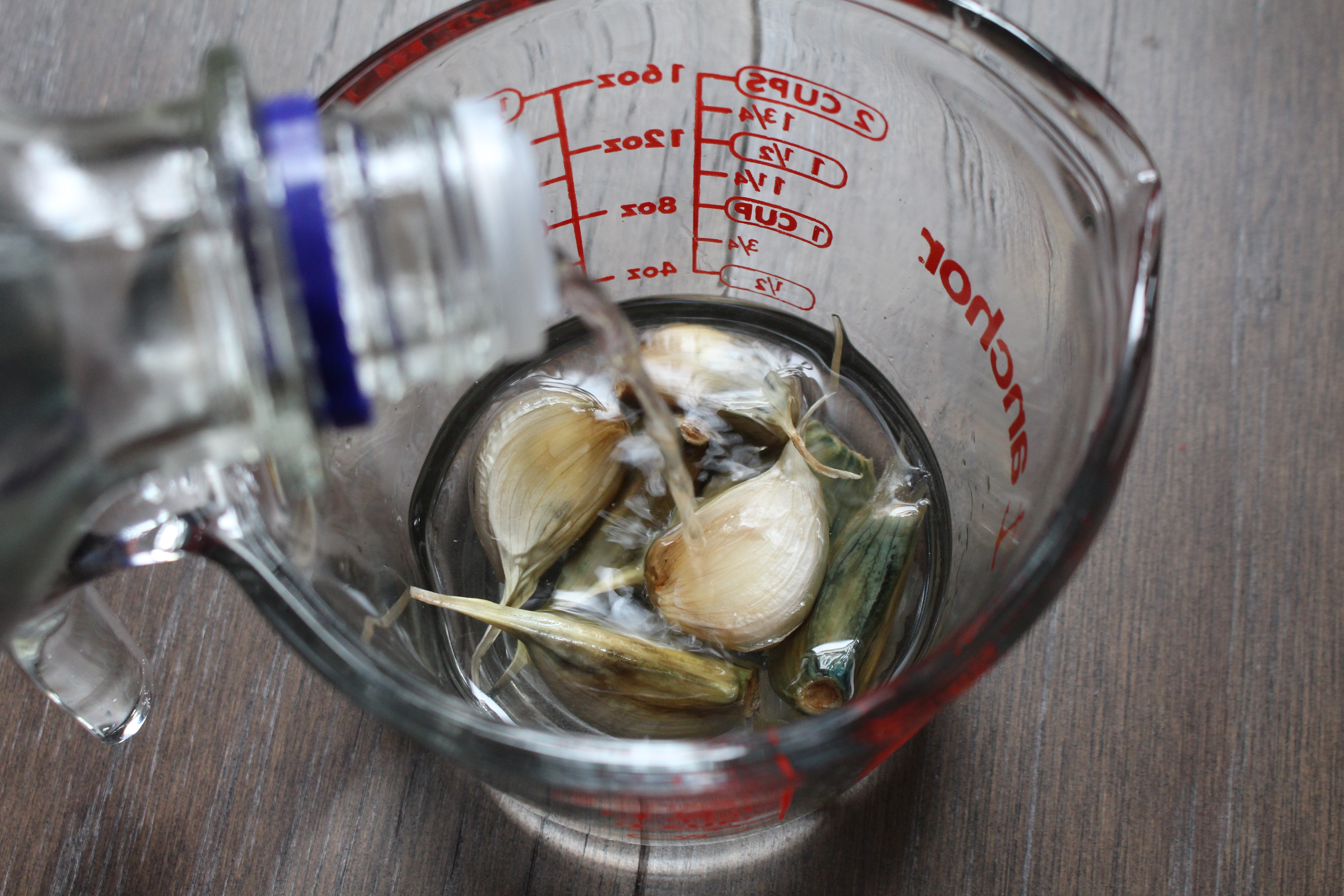
This year we tried a pre-soak that was recommended to us by the folks at Paradigm Gardens. This soak gives the garlic a fertilizer boost and reduces any diseases that could be carried on the garlic bulbs. After the cloves are separated, put them in warm water with a tablespoon of baking soda and a tablespoon of fish emulsion. We used Age Old Organics, Fish and Seaweed Emulsion. Soak the garlic in the mixture for 1-12 hours (the longer the better). Drain the cloves and them soak them in Vodka for 10 minutes. This is what will kill any diseases.

Step 3:
Plant the cloves into prepared soil about 3” deep and about 6-9” apart. Plant with the tip of the clove as straight up as possible (or you’ll get wonky shaped garlic!) and the root side down. Cover the cloves with 1-2” of soil.

Step 4:
Cover the garlic with generous layer of straw mulch to protect it from the freeze and thaw of our harsh Wisconsin winter. You may want to protect your garlic from hungry critters by covering with a layer of chicken wire. It also may be a good idea to mark where you planted each clove so it’s still obvious next spring. We color coded ours so we can keep track of which variety and method does best. Let your garlic hibernate!
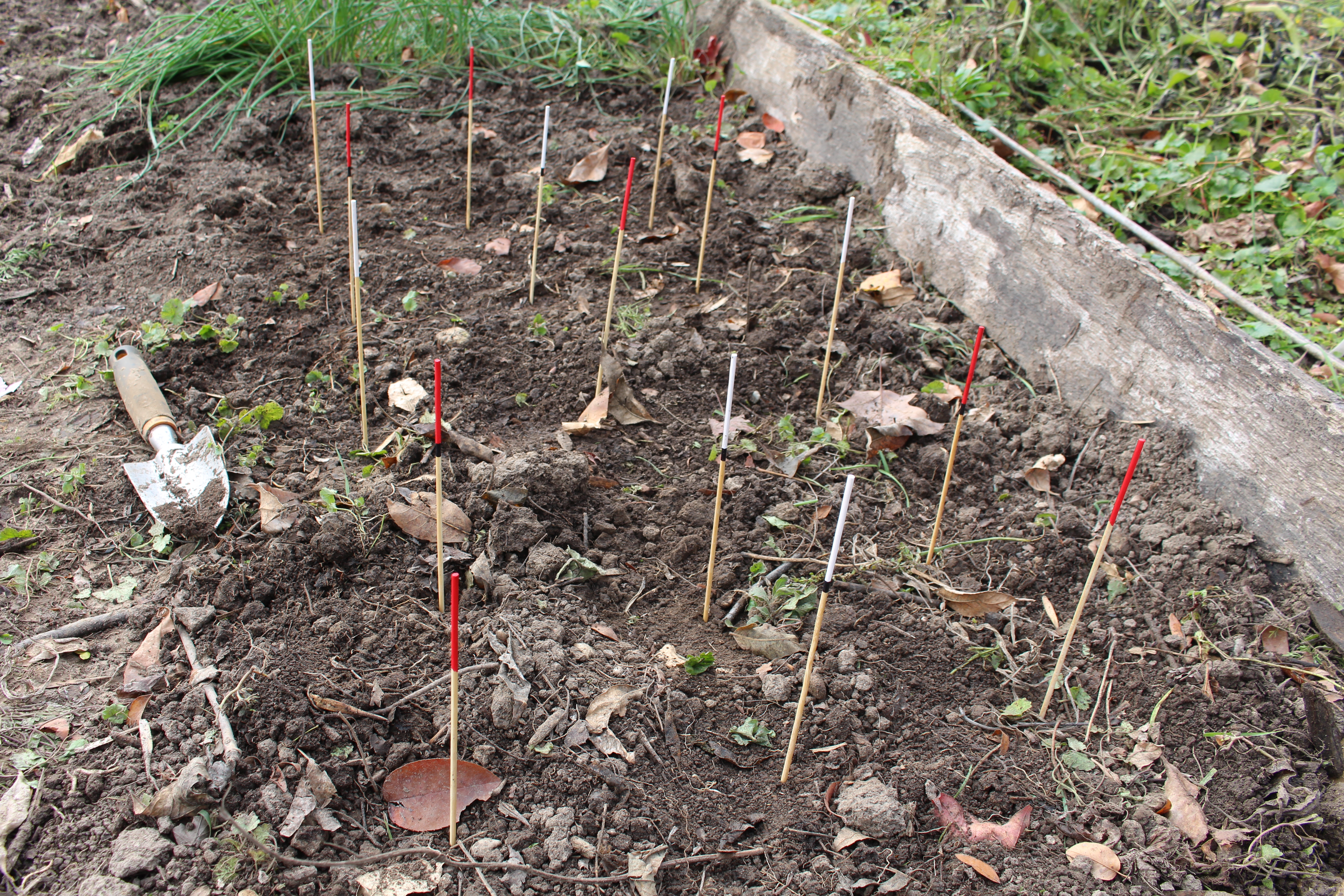
In the spring, add more mulch to help encourage growth, retain moisture, and keep the weeds at bay. Make sure to keep the area around your garlic free of weeds. Later in the spring your garlic will begin to flower. Remove these flowering stalks to encourage growth of the garlic bulb itself instead of it putting its energy into flowering (you can eat these, they’re called garlic scapes!). In June, the garlic will stop producing new growth. At this time, remove any remaining mulch and allow the soil to dry out. Harvest in mid-July or August when you have 5 full green leaves remaining or 50% of the leaves have died from the bottom. The garlic can be removed and allowed to dry for 2-3 weeks in a cool, airy location. Enjoy your garlic now or store it to use through the fall and into the winter! Consider setting aside a few bulbs to replant!
If you need any help planting or need extra tips, feel free to reach out to us!
– Grayson & Krista
 Crowley Station Community Garden